Vape Culture: Exploring the Rise of Vaping in Today's Society
Vape culture has emerged as a prominent phenomenon within younger generations, motivated by the search for better alternatives and an array of flavor selections. Social media accelerates this movement, presenting vaping as a socially acceptable choice. Yet, the health concerns surrounding vaping remain debated, sparking ongoing debates about its potential risks. As vape shops evolve into community hubs, the dynamics of this lifestyle continue to shift. What does the future hold for this expanding trend?
Why Are People Switching to Vaping?
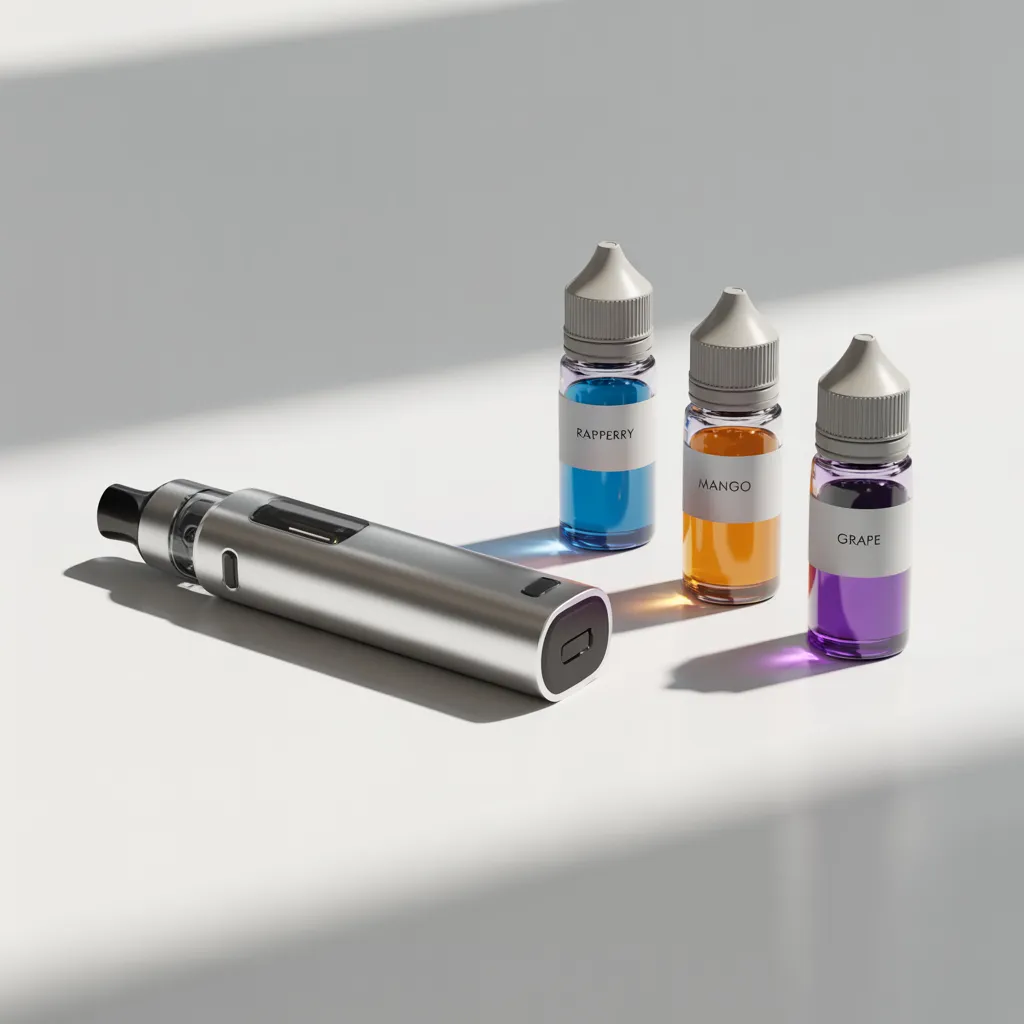
As the understanding of the health dangers linked to conventional smoking increases, a growing number of people are turning to vaping as an apparently less harmful substitute. This shift is driven by a combination of factors, including the appeal of flavors and customizable options that vaping devices provide. Numerous users value the wide range of flavors, spanning from fruity to dessert-themed options, which make the experience far more pleasant than traditional tobacco. Additionally, vaping is often viewed as a more socially acceptable practice, particularly among younger demographics. The advanced technology incorporated into vaping devices further provides a measure of control over nicotine use, drawing in those who wish to decrease their consumption over time. Beyond that, the notion that vaping is less bothersome and leaves behind fewer persistent odors compared to smoking plays a role in its increasing prominence. Consequently, a wide variety of people, ranging from ex-smokers to those newly introduced to nicotine, are progressively transitioning to vaping.
Is Vaping Actually Safe? The Wellness Debate?
How does vaping measure up against conventional smoking in terms of safety? This inquiry has ignited substantial controversy among healthcare specialists and the general population. Even though vaping is commonly presented as a less harmful substitute for smoking, the actual situation is considerably more complicated. E-cigarettes typically contain fewer toxic substances than traditional cigarettes, which could theoretically reduce some health risks. Nevertheless, vaping continues to deliver dangerous substances into the body, such as nicotine, which may result in dependency and possible heart-related complications.
Recent studies have highlighted concerns about the extended health effects of breathing in vaporized compounds, particularly since numerous components found in e-liquids have not been thoroughly studied. Additionally, cases of vaping-related lung injuries have come to light, deepening the uncertainty about its overall safety. In the end, while vaping could pose less danger than cigarette smoking, it is not devoid of potential hazards, warranting careful consideration from users and policymakers alike.
Who Is Embracing the Vaping Trend?
What types of people are attracted to vaping? Vaping attracts a wide variety of people, spanning various age groups and backgrounds. Young adults, particularly those in their late teens to early twenties, frequently look for substitutes to conventional cigarettes, viewing vaping as a modern lifestyle choice. A significant number are influenced by the belief that vaping poses fewer health risks and offers a customizable experience through various flavors and nicotine levels.
Moreover, former smokers shifting to vaping constitute a considerable segment. Many consider it a method to decrease nicotine use while still partaking in the act of inhaling. Curiosity further motivates certain people, as the communal nature of vaping draws in those seeking to bond with others or discover new experiences. The accessibility of the trend, coupled with its perceived uniqueness, continues to welcome a broad range of enthusiasts into the vaping world.
The Way Social Media Influences Vape Culture
What role does social media play in shaping vape culture? Social media channels have emerged as key drivers in popularizing and normalizing vaping across diverse audiences. By sharing visually compelling content, influencers present vaping as a lifestyle decision, frequently highlighting its visual appeal and communal dimensions. Dedicated hashtags and vaping challenges build a community atmosphere, inspiring users to share their encounters and product preferences. Moreover, social platforms including Instagram and TikTok empower users to generate and spread tutorials, vaping techniques, and product assessments, increasing the prominence of vaping products and brands.
This ongoing engagement creates an environment where vaping is not find the information just a practice but a means of individual expression. The widespread reach of social media accelerates tendencies, leading to rapid shifts in consumer preferences. As a result, social media serves as a double-edged sword, both promoting awareness of vaping and potentially glamorizing the habit, particularly among younger audiences.
How Vaping Impacts Lifestyle Decisions
Vaping has grown into a powerful force shaping current lifestyle trends, impacting a wide range of aspects from social dynamics to personal expression. For numerous individuals, vaping functions as a social bridge, encouraging bonds in both informal and formal contexts. Engaging in vaping commonly produces a mutual experience among its users, nurturing community relationships and defining expectations around group interactions.
In addition, vaping has transformed personal identity for many users, separating them from traditional smokers or non-smokers. The range of flavors, devices, and brands empowers individuals to express their preferences and tastes, promoting a sense of uniqueness.
In addition, health-related views regarding vaping have driven behavioral changes; many individuals consider it a healthier alternative to smoking, while others integrate it into fitness and wellness narratives. At its core, vaping impacts choices related to social habits, self-identity, and overall health, highlighting its significant effect on contemporary ways of living.
Vape Shops: Social Centers for Vaping Fans
Within the ever-changing world of vaping culture, vape shops have become important social centers for dedicated vapers. These locations operate as gathering places where people can connect over their common enthusiasm for vaping. Going beyond simple retail, vape shops often host events, such as tastings and workshops, nurturing a welcoming atmosphere among patrons.
The experienced staff consistently share useful knowledge into the newest devices and e-liquid options, improving the overall vaping journey. This tailored service fosters trust and loyalty among the community. Furthermore, vape shops frequently establish inviting atmospheres, facilitating social engagement among patrons, which can lead to friendships and support networks.
With vaping steadily increasing in popularity, these establishments play a crucial role in cultivating a culture focused on discovery and learning. By emphasizing community participation, vape shops not only contribute to individual experiences but also help establish a vibrant, interconnected vaping culture.
Emerging Trends in Vape Culture
In what ways will vape culture transform as technology and social perspectives change? As vaping technology advances, innovations such as smart devices and customizable options are likely to attract a wider audience. Improved user interfaces and application integrations could enable customized experiences, giving consumers the ability to monitor their usage and flavor choices. Furthermore, the increasing focus on health and well-being may redefine public perceptions, resulting in greater acceptance of vaping as a safer substitute for smoking.
Legislative shifts will also be significant as regulatory bodies enforce stronger guidelines, producers could prioritize openness and excellence, encouraging a more ethical marketplace. Community outlooks may progressively transform, with vaping becoming more integrated into mainstream culture, much like artisan brewing or premium coffee. Fundamentally, the evolution of vaping will be marked by a fusion of innovative technology, policy supervision, and changing community attitudes, forging a unique presence in modern culture.
Commonly Asked Questions
What Flavors Are Most Popular Among Vapers Today?
Fruity flavors, especially mango, watermelon, and berry, lead the vaping market at present. Indulgent dessert flavors, including vanilla custard and chocolate, also enjoy popularity, attracting vapers who seek sweet and indulgent options.
How Much Does Vaping Typically Cost Monthly?
Monthly vaping costs typically range from $30 to $100, varying with usage, device type, and e-liquid choices. Regular users could experience notable differences in spending based on personal preferences and consumption patterns.
Do Age Restrictions Apply When Buying Vape Products?
Yes, there are age restrictions when it comes to purchasing vape products. In many regions, individuals must be at least 18 to 21 years old, depending on local laws, to legally purchase vaping devices and related accessories.
Does Vaping Help Smokers Quit Cigarettes Entirely?
Vaping might support some users in completely giving up smoking by providing a less harmful alternative. That said, its results differ from person to person, and dependence on vaping may result in ongoing nicotine addiction for some.
What Are Common Misconceptions About Vaping?
Common misconceptions about vaping involve the assumptions that it is completely safe, that it is free of dangerous chemicals, and that it is solely a gateway to smoking. These misunderstandings have the potential to affect views and habits concerning vaping.